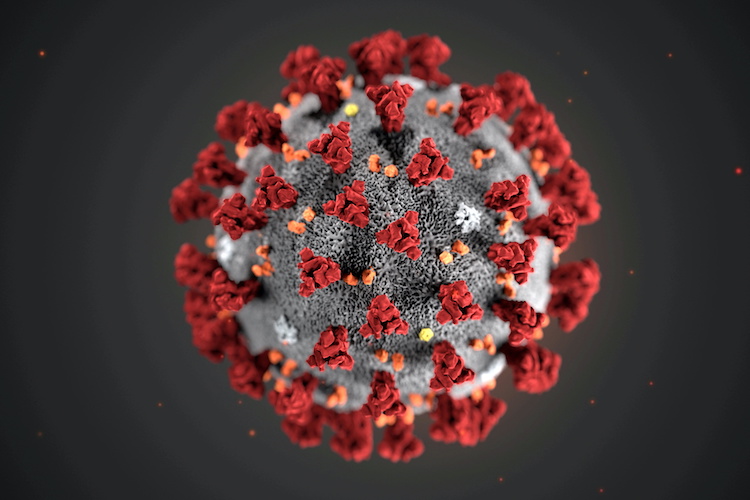
I still like listening to the Daily, despite growing a bit tired of the New York Times itself. Their most recent podcast, the Rise of Delta, was of its typical good quality. But it left me wondering. The reporter kept talking about how dangerous the Delta variant of the Coronavirus was, and the question in my mind was, “is it more dangerous than any previous variants?” I mean, yeah, the whole deal with the Delta is that it’s more contagious and you’re more likely to catch it. As the reporter explained it, I was 50% more likely to catch the Alpha variant than the original, but another 50% more likely to catch Delta. So if there was a 10% chance of catching the original, with the Alpha my chances were 15%, and (if my math is right), I am 23% more likely to catch the Delta.
But the question is, is it really any more dangerous? Sure, if there’s an 8% greater chance of catching it than the Alpha, and 13% greater chance of catching it than the original, I guess you could say it’s more dangerous than not getting the virus at all. But what is the mortality rate? If you catch it, is there a greater chance it’ll kill you? Fact is, fewer people are dying from the Delta variant than from the original virus, and of course that’s because we have a vaccine, we’re better prepared, and we know how to better protect our elderly and vulnerable. But it all counts.
And this has me thinking, because I watch the news sometimes, and it’s always the same thing – the worst of what you can expect out of just about anything. There’s a hurricane coming, and so we have to be reminded about how climate change is going to make this a regular thing to the tune of billions a year. There were over 100 people shot over the weekend, so of course we have an epidemic of violence on our hands. And the Delta variant is dangerous!
It’s no wonder no one trusts anything they hear anymore. It may be about what interests people. But is it “news?” I mean, Keeping up with the Kardashians is a real thing, so really, how much can we trust that what interests us is actually of any use? A building collapsed in Florida. But it wasn’t my building. And given the number of buildings in the world versus the number that actually collapse, I’d say I’m pretty safe (although I wonder sometimes about Korean construction). Not to mention that we really have short memories. It got up to nearly 120 degrees in British Columbia a week or so ago, but today it was 70 in Seattle. Meh. It happens. And when it does, I might pay attention for a minute. Then it’s back to business as usual. The weather’s been kind of nice around here actually.
Don’t get me wrong though. I’m not anti-vaccine, or anti-climate change, or anti-a whole bunch of other stuff. There’s far too much of that (he says as he rails against the sensationalist media). I’m pro-sensibility. I realized over the past few years that I was paying attention to far too much of the wrong stuff — focusing on the negative; forgetting the positive. It’s still a habit that I’m working to break. But going back to the tighter discernment I gained from the dumping of my social media, it’s a lot easier. I really hope people get vaccinated. I personally think those who don’t are just stubborn and foolish (and I count some of them dear to myself). I really hope people take the care of our planet more seriously too. Maybe they don’t believe in climate change, but is there anything wrong with conservation of resources and energy? Of cutting back on that which pollutes our air, water, and land? Would it really hurt to invest in a decent bicycle and go that route for the shorter trips?
But we can at least be reasonable. It shouldn’t be hard to agree that we’re all in whatever it is that’s happening and whatever we believe in together. We don’t have to scream “the sky is falling!” over everything (which is the idea I get when I watch the”news”), but we also don’t have to stubbornly fold our arms and do more harm than good out of our spitefulness. Whatever could be wrong with that?